Brighten Your Home Office: Fun Lighting Ideas to Boost Productivity and Mood
Various lighting options to enhance your home office desk arrangement
7/22/20267 min read


Your home office lighting directly affects how well you work, how comfortable you feel, and whether your workspace looks inviting or dull. The right combination of task lighting, ambient light, and accent fixtures can reduce eye strain, boost your energy levels, and transform a basic desk setup into a space where you actually want to spend time. Poor lighting makes it harder to focus and can leave you feeling tired by midday.
Creating an effective lighting plan doesn't require expensive renovations or complicated electrical work. You can achieve professional results by understanding which types of light work best for different tasks and learning where to place them in your room. Small adjustments like adding a desk lamp or changing your bulb temperature can make a significant difference.
This guide walks you through the essential lighting types every home office needs, practical ways to customize your setup based on your work style, and strategies for balancing brightness with comfort. You'll also discover how to add personality to your workspace while maintaining the functional lighting you need to stay productive throughout your workday.
Understanding Different Types of Home Office Lighting
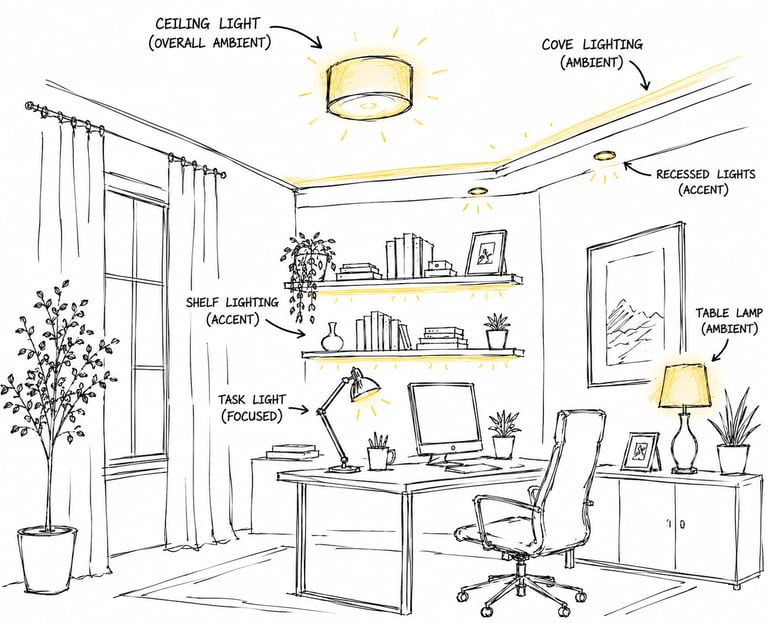
A well-lit home office requires three distinct lighting categories working together, along with thoughtful choices about bulb technology and strategic placement throughout your space.
Ambient vs Task vs Accent Lighting
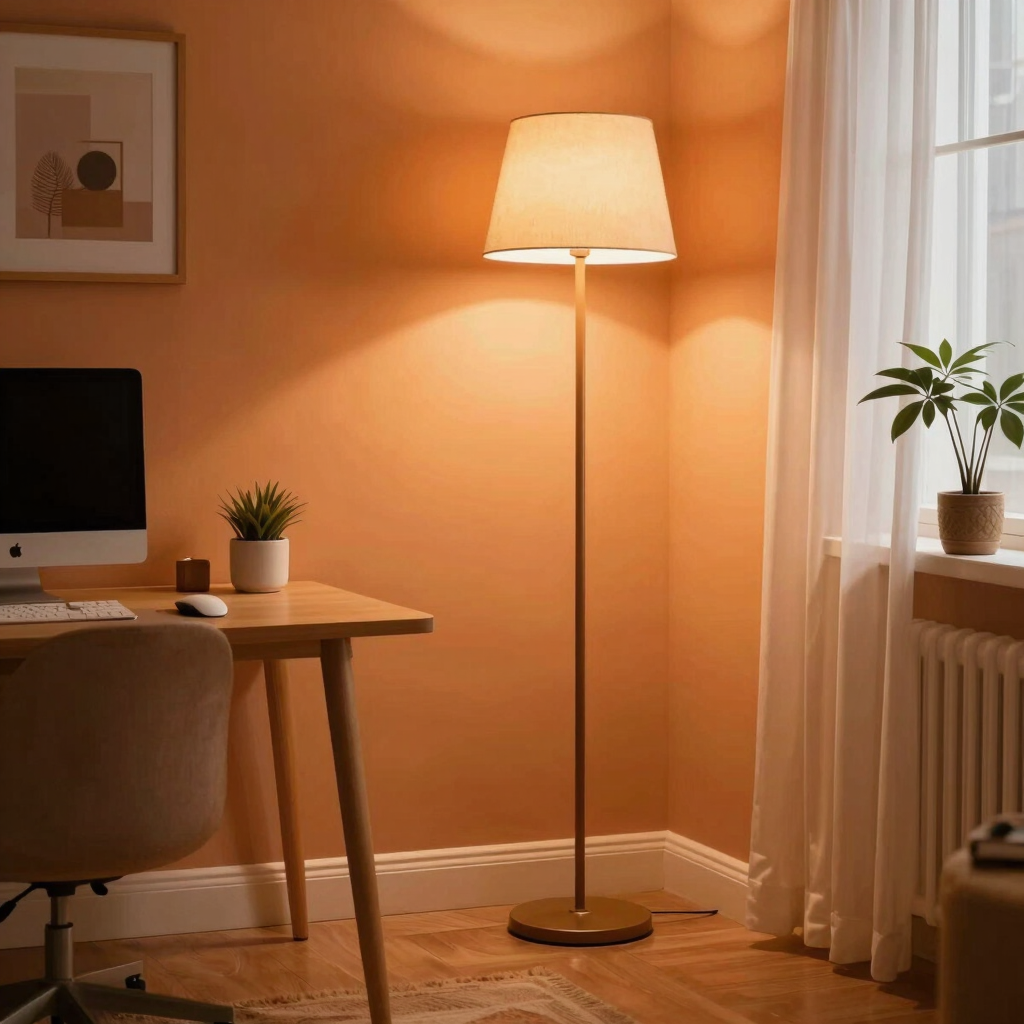
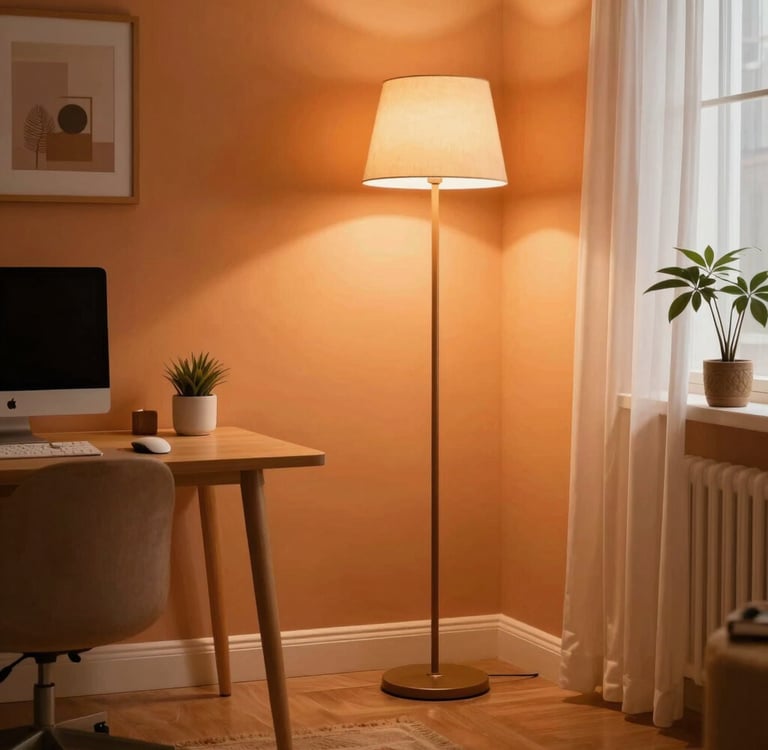
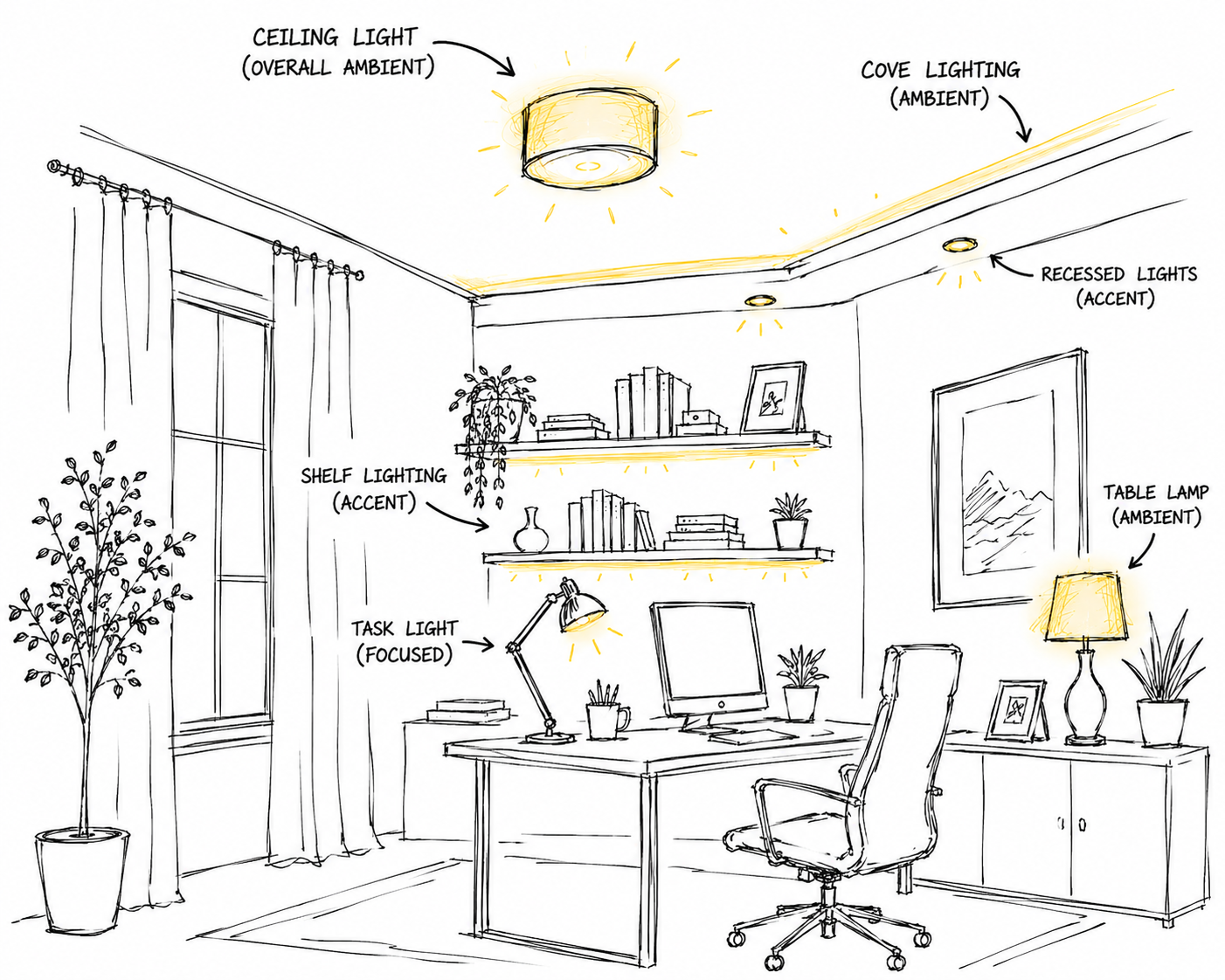
Ambient lighting serves as your room's foundation, providing overall illumination that lets you move safely and comfortably throughout your office. This typically comes from ceiling fixtures, recessed lights, or floor lamps that bounce light off walls and ceilings. You need enough ambient light to create a baseline brightness level of about 300-500 lumens per square meter (~28-46 foot-candle).
Task lighting focuses directly on your work surface where you need concentrated brightness for reading documents, writing, or detailed computer work. Desk lamps positioned 15-20 inches from your workspace deliver targeted illumination between 500-1000 lumens (~46-93 foot-candle), reducing eye strain during work sessions.
Accent lighting adds visual interest and depth by highlighting architectural features, artwork, or shelving units. While not essential for functionality, it creates dimension in your space and prevents the flat, sterile feeling that comes from relying solely on overhead fixtures.
Choosing Appropriate Bulb Types
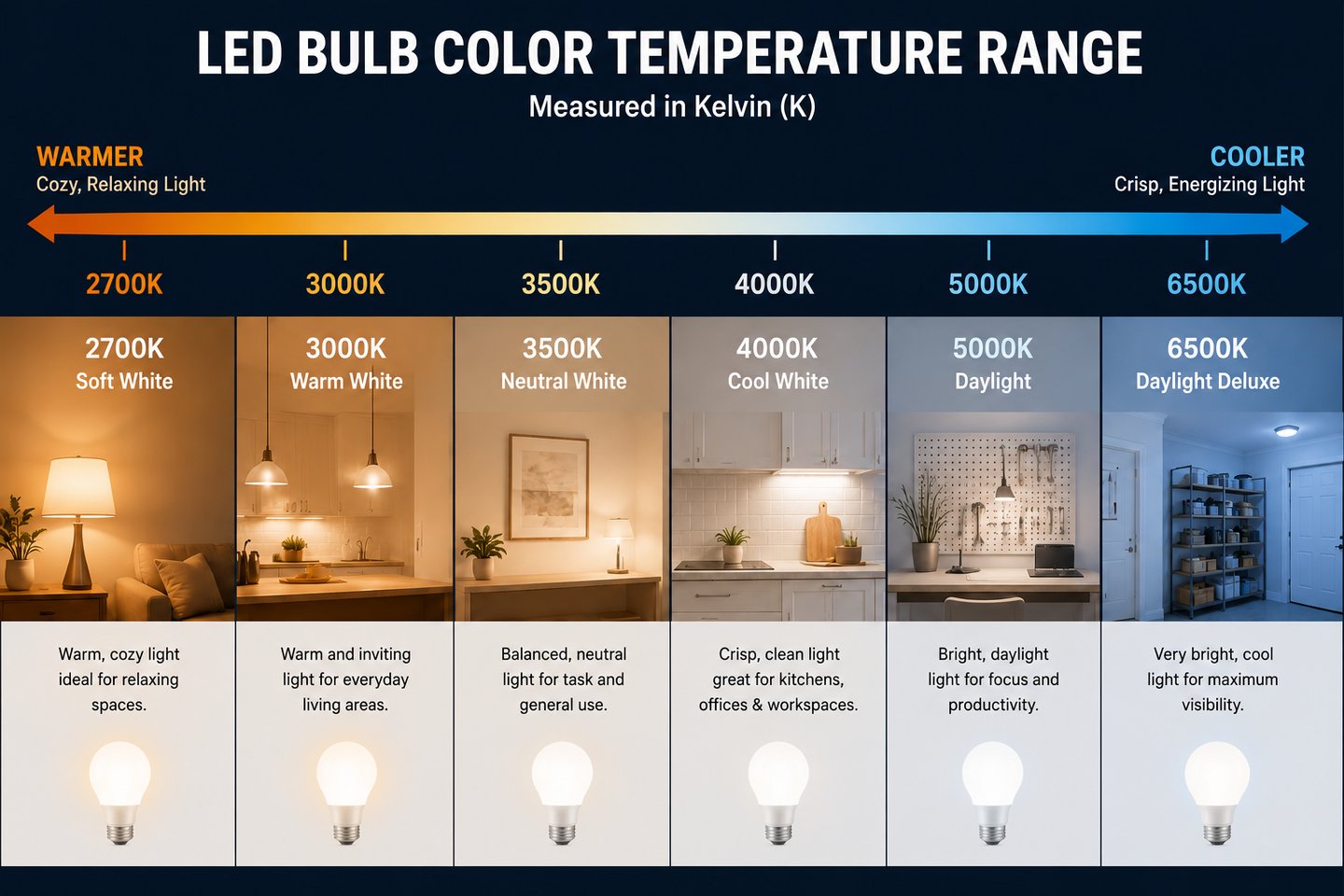
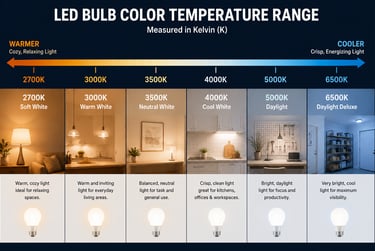
LED bulbs offer the best combination of energy efficiency, longevity, and light quality for home offices, lasting up to 25,000 hours while using 75% less energy than incandescent options. You should select bulbs with a color temperature between 3000-5000 Kelvin, which provides clean, neutral light that minimizes eye fatigue.
Warm white LEDs (3000-3500K) create a comfortable atmosphere similar to traditional incandescent bulbs, working well for ambient lighting. Cool white or daylight LEDs (4000-5000K) enhance alertness and color accuracy, making them ideal for task lighting on your desk.
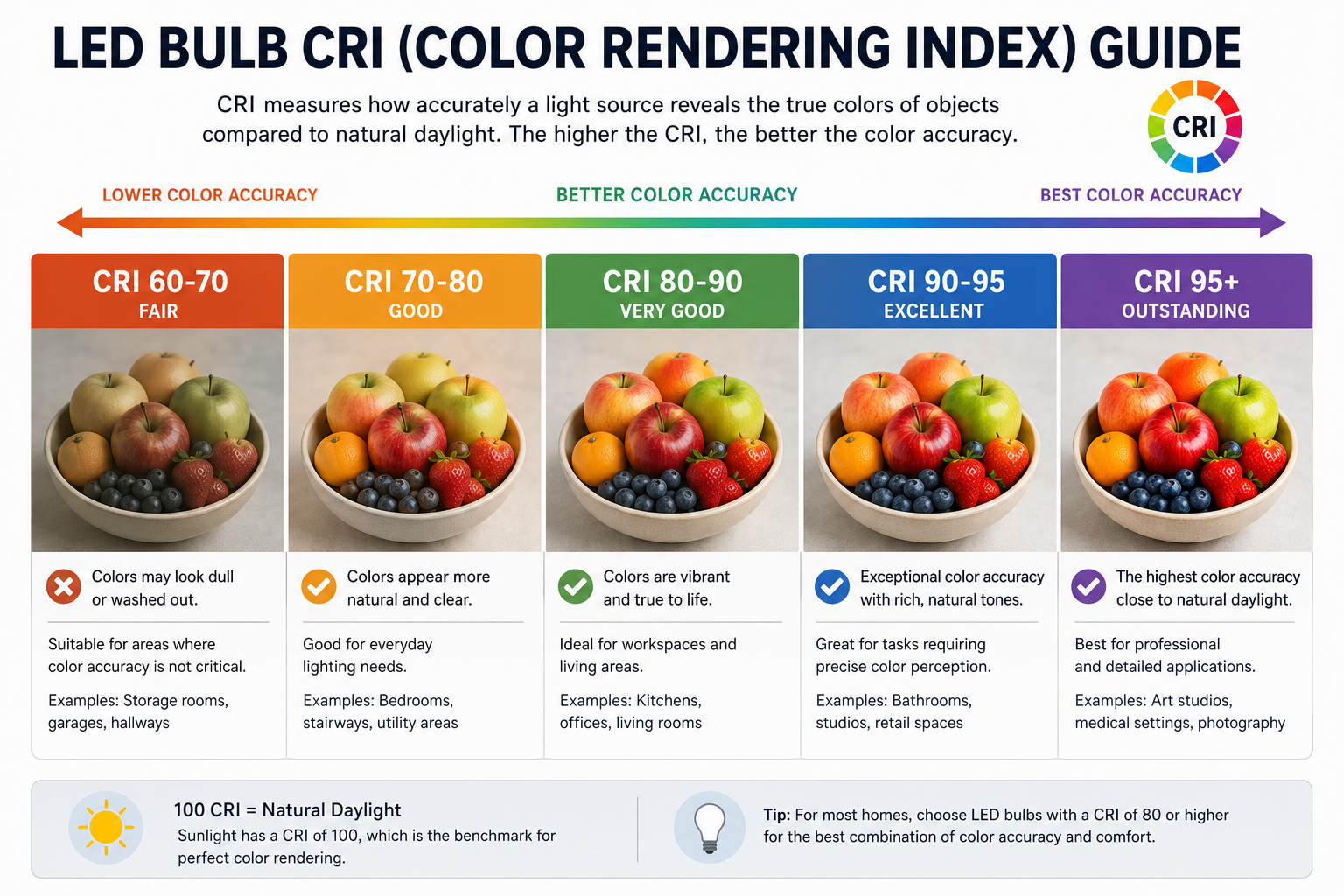
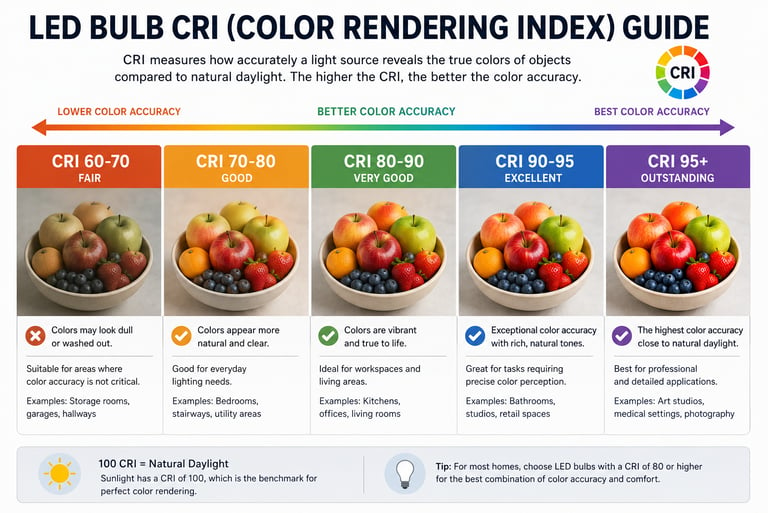
Consider the Color Rendering Index (CRI) when selecting bulbs. A CRI of 80 or higher ensures colors appear natural and accurate, which matters when reviewing printed materials or participating in video calls.
Layering Light Sources for Functionality
Start with ambient lighting that provides 50% of your total light needs, then add task lighting for another 40%, and accent lighting for the remaining 10%. This ratio creates balanced illumination without harsh shadows or glare.
Position your desk lamp to the side opposite your dominant hand to prevent shadows falling across your work. If you use dual monitors, place task lighting behind or beside the screens rather than directly above them to minimize glare.
Add a floor lamp in the corner farthest from your desk to eliminate dark pockets and reduce the contrast between your bright screen and surrounding areas. Install dimmer switches or use smart bulbs that let you adjust intensity throughout the day, matching natural light patterns and your energy levels.
Creative Ways to Personalize Your Workspace
Lighting choices directly influence both your mood and productivity, making them essential for workspace customization. Colorful desk lamps, ambient string lights, and bold overhead fixtures each serve distinct purposes while adding personality to your home office.
Incorporating Colorful Desk Lamps
Desk lamps in vibrant colors transform your workspace from functional to personal. Choose hues that match your work style, such as warm yellows and oranges for creative tasks, or cool blues and greens for focused concentration.
Adjustable colored lamps offer flexibility throughout the day. You can switch between different color temperatures to match your energy levels and task requirements. Many modern desk lamps include RGB options that let you cycle through various shades without purchasing multiple fixtures.
Consider the lamp's design alongside its color. Retro-style lamps in mint green or coral pink add nostalgic charm, while sleek metallic finishes in bold colors suit contemporary offices. Position colorful lamps at your task areas to create dedicated zones for different types of work.
Using String Lights and LED Strips
String lights create ambient illumination that softens harsh overhead lighting. Drape them along shelves, around window frames, or behind your monitor to reduce eye strain during evening work sessions.
LED strips offer more versatility than traditional string lights. You can mount them under floating shelves, along desk edges, or behind furniture to create a floating effect. Many LED strips come with remote controls and app connectivity, allowing you to adjust brightness and color without interrupting your workflow.
Warm white string lights work best for cozy, relaxed atmospheres, while color-changing LED strips let you adapt your environment to different moods. Install dimmable options to maintain control over light intensity throughout the day.
Statement Fixtures for Visual Impact
Pendant lights and chandeliers serve as focal points that define your office aesthetic. A geometric pendant lamp above your desk draws the eye upward and makes your workspace feel intentional rather than improvised.
Select fixtures that balance form and function. Oversized industrial-style pendants work well in spaces with high ceilings, while compact sculptural fixtures suit smaller offices. The fixture should provide adequate light coverage while making a design statement.
Track lighting systems with adjustable heads give you statement appeal with practical benefits. You can direct light exactly where needed while the fixtures themselves add architectural interest to your ceiling.
Optimizing Lighting for Productivity and Comfort
Proper lighting setup directly affects your ability to focus and maintain energy throughout the workday. The right combination of glare reduction, natural light access, and adjustable fixtures creates a workspace that supports both visual comfort and sustained concentration.


Reducing Glare and Eye Strain
Position your monitor perpendicular to windows rather than directly in front of or behind them. This placement prevents bright backlighting and reflections that force your eyes to work harder.
Use matte screens and anti-glare filters on your devices to minimize reflected light. Your overhead lighting should illuminate the room evenly without creating hot spots on your work surface or screen.
Key positioning guidelines:
Place desk lamps to the side opposite your writing hand
Keep light sources at least 15 inches from your eyes
Angle task lights away from reflective surfaces
Choose warm white bulbs (2700K-3000K) for ambient lighting and neutral white (3500K-4100K) for task lighting. This combination reduces the harsh contrast that leads to headaches and fatigue during extended work sessions.
Maximizing Natural Light
Place your desk within 3-5 feet of a window to benefit from daylight without dealing with direct sun exposure. Natural light regulates your circadian rhythm and reduces afternoon drowsiness.
Install adjustable window treatments like vertical blinds or cellular shades that let you control light intensity throughout the day. Sheer curtains diffuse harsh sunlight while maintaining brightness levels.
Light-colored walls and ceilings reflect up to 80% of natural light deeper into your office space. Position mirrors on walls perpendicular to windows to bounce additional daylight into darker corners without creating glare on your screen.
Adjustable Lighting Solutions
Install dimmer switches on overhead fixtures to modify brightness based on time of day and task requirements. Your lighting needs vary between video calls, detailed document review, and computer-based work.
Invest in a desk lamp with multiple brightness levels and color temperature settings. You can shift from cool blue-white light (5000K-6500K) for morning alertness to warmer tones (2700K-3000K) as the day progresses.
Smart bulbs offer programmable schedules that automatically adjust throughout your workday. These systems can simulate natural light patterns, gradually increasing brightness in the morning and dimming toward evening to support your body's natural rhythms.
Giving Your Office a Stylish Touch
Style and function work together when you choose lighting that enhances both your workspace aesthetics and daily comfort. Wall-mounted fixtures and carefully selected vintage or modern pieces can transform your office into a space that reflects your personality.
Decorative Sconces and Wall Mounts
Wall sconces free up valuable desk space while adding architectural interest to your office walls. You can install them at eye level beside shelving units or artwork to create layers of light that reduce harsh shadows. Adjustable swing-arm sconces work particularly well near reading areas or secondary work surfaces.
Popular sconce styles include:
Brass or bronze finishes for traditional offices
Matte black fixtures for contemporary spaces
Crystal or glass shades for elegant touches
Industrial cage designs for modern workspaces
Mount sconces 60-66 inches from the floor for optimal task lighting. Dimmable options give you control over light intensity throughout the day.
Vintage and Modern Lighting Trends
Edison bulb fixtures bring warmth and character to home offices through their amber glow and exposed filaments. You can pair these vintage-style bulbs with minimalist pendant frames for a balanced look. Geometric pendants and angular desk lamps define modern lighting trends, offering clean lines that complement contemporary furniture.
Mid-century modern pieces remain popular choices. Look for fixtures with curved shades, tripod bases, or adjustables designs. Smart bulbs in classic fixtures let you blend vintage aesthetics with modern technology, giving you voice control and color temperature adjustment.
Mix materials like wood, metal, and glass to create visual interest. A brass desk lamp pairs well with matte black wall sconces, while chrome finishes suit ultra-modern setups.
source: @imkirk
source: @madebyvadim
Image Credits:
Featured images include original Clever Living Spaces photography, AI-generated design concepts, and licensed images from Unsplash contributors.
AI-generated image for inspiration purposes.
Clever Living Spaces
Spatial efficiency and architectural character for small-scale living.
© 2026 Clever Living Spaces
SPATIAL FLOW & CHARACTER